In southern Ukraine, often called the country’s “tomato belt”, agricultural businesses are facing unprecedented challenges. War has disrupted infrastructure, damaged production facilities and made even basic operations unpredictable.
Yet companies like Evrika, a long-established vegetable producer and processor, continue to operate and adapt – with support from the European Union (EU) as part of its EU4Business initiative and the European Bank for Reconstruction and Development (EBRD) under the EU4Business-EBRD Credit Line.
Through a combination of financing, grants and technical support, the programme is helping Ukrainian companies modernise production, improve energy efficiency and remain competitive – even in wartime.
A legacy of quality under pressure
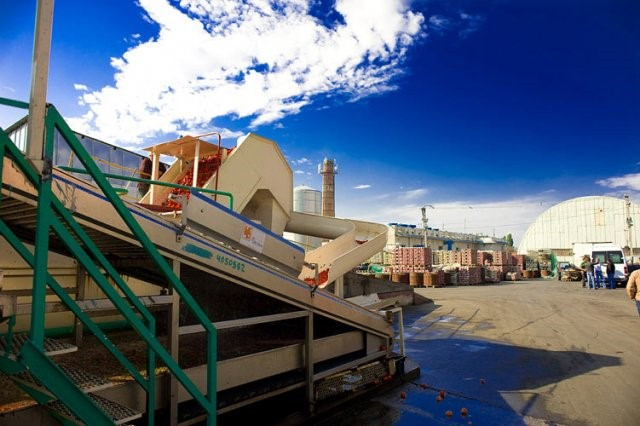
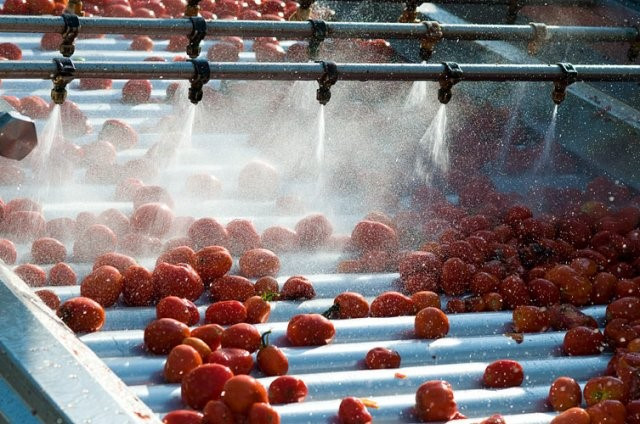
Founded in 1987 as a small cooperative, Evrika has grown into a vertically integrated food producer supplying a wide range of products under its “Babushkiny Gryadki” (“Grandma’s Beds”) brand – from tomato paste and canned vegetables to more innovative products like hummus.
“For 38 years, we’ve stayed true to one principle – producing high-quality, affordable food,” says co-owner Alexandr Yakovlev.
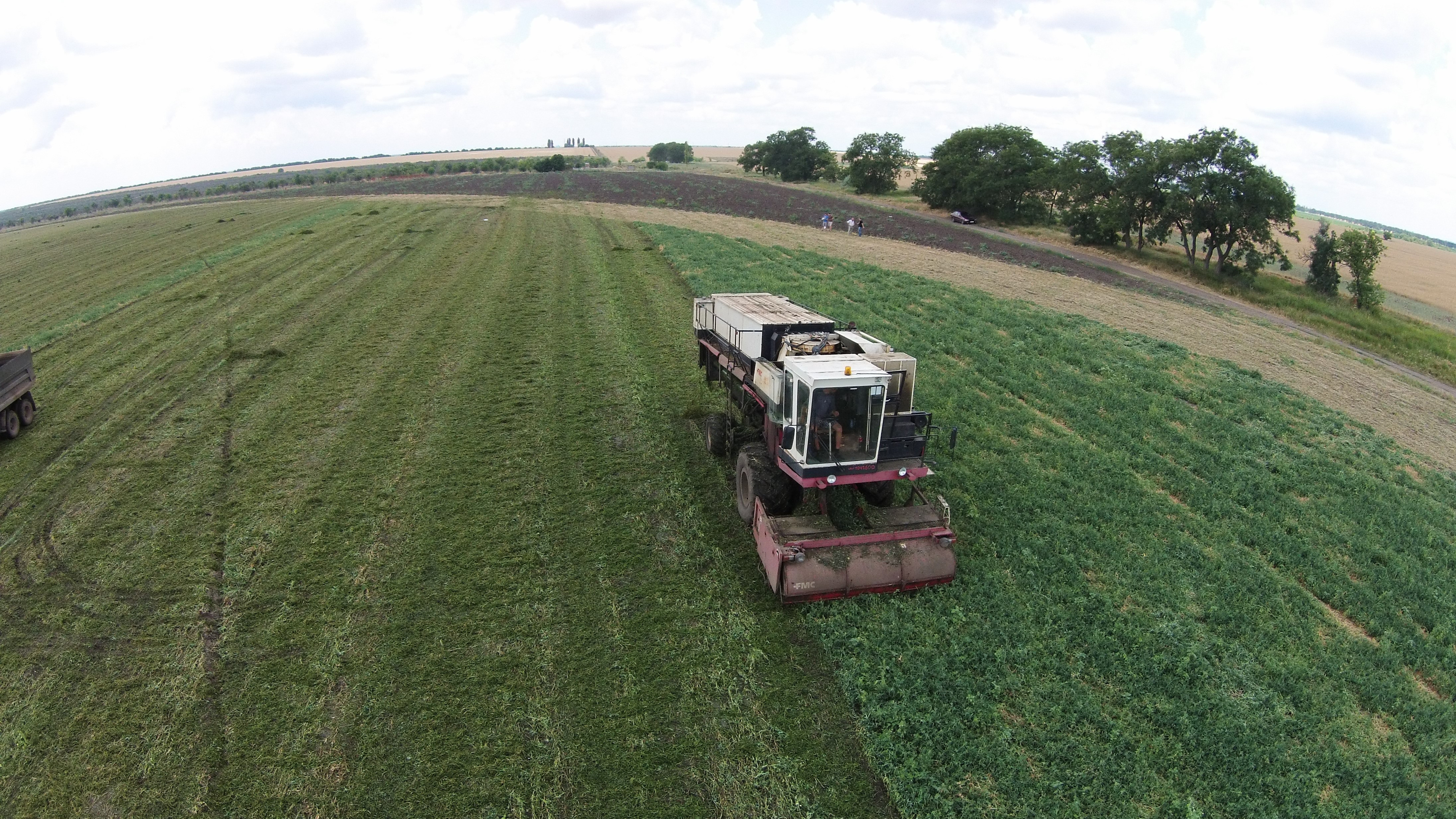
The company controls the entire production cycle, from growing vegetables to processing and packaging, using certified European inputs and avoiding chemical additives.
But maintaining these standards has become significantly more difficult since the start of Russia’s full-scale invasion.
War-driven challenges: energy, water and survival
When the war began in 2022, Evrika managed to continue operations. However, the real challenges soon emerged.
Energy supply became unreliable, forcing the company to rely on diesel generators consuming up to 250 litres of fuel per hour. At the same time, irrigation systems – critical for vegetable production – became dependent on unstable electricity supply to pumping stations.
“If there is no electricity, there is no water. And without water, there is no harvest,” Alexandr explains.
Despite investing in backup systems, the company lost around 30 per cent of its harvest in 2024 due to irrigation disruptions.
To reduce dependence on unstable infrastructure, Evrika is now planning to install a 450 kW solar power plant – a major step towards energy resilience.
EU4Business support: enabling modernisation and efficiency
Faced with rising costs and labour shortages, Evrika turned to the EU4Business-EBRD Credit Line to modernise its operations.
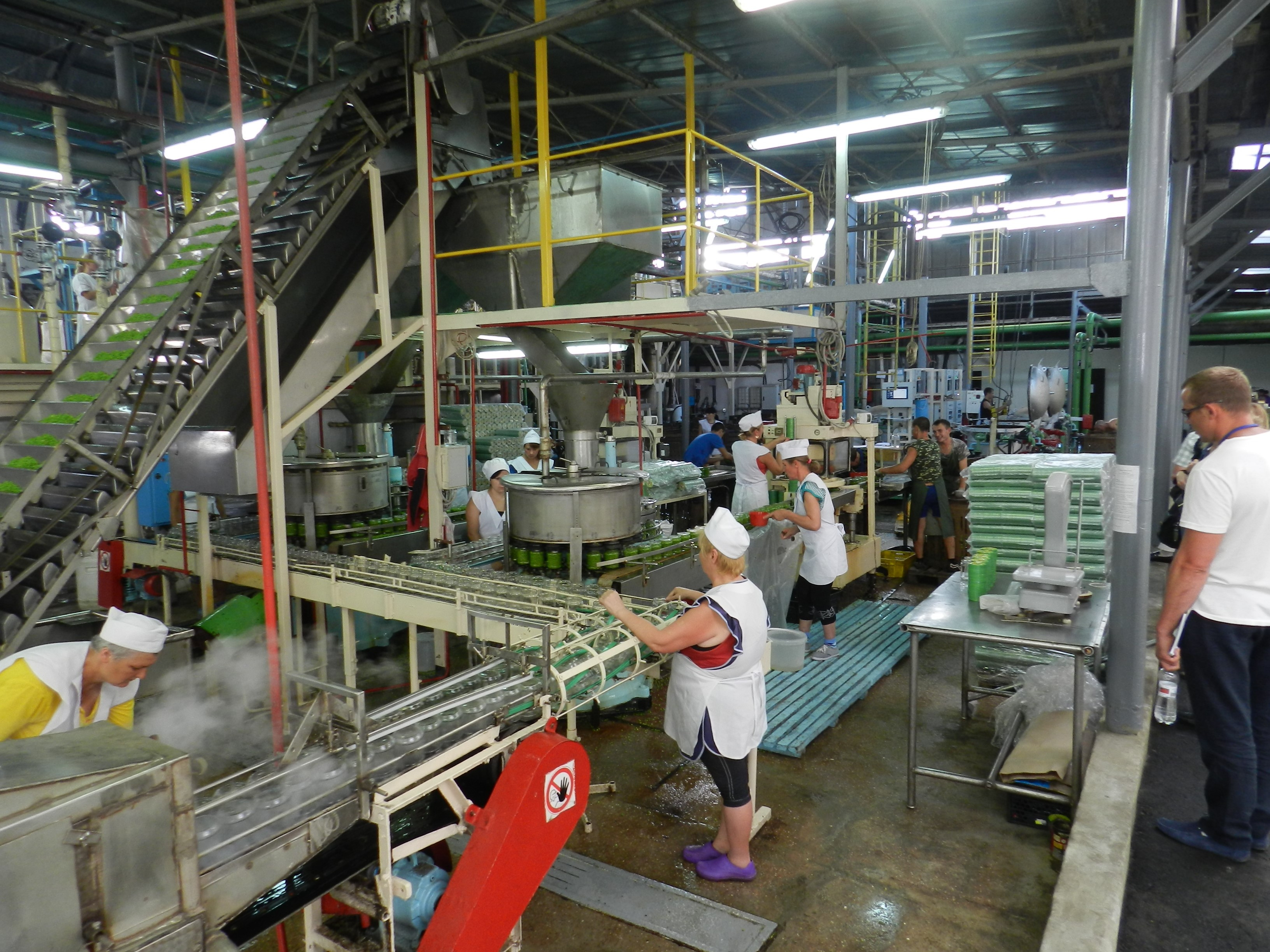
With a loan from a local partner bank, combined with a 15 per cent EU investment incentive, the company invested in modern European sterilisation equipment – a critical part of the production process that ensures food safety and product shelf life.
The results have been transformative.
Automation has reduced the need for heavy manual labour, cutting staffing in the sterilisation process from 80 workers to just 8, while making jobs safer and more skilled.
At the same time, the upgrade has reduced energy consumption by at least 20 per cent, helping the company manage rising energy costs and keep products affordable for consumers.
“Energy prices will not decrease any time soon,” Alexandr says. “If we want to keep our products accessible, we must reduce our own costs. This investment allows us to do exactly that.”
Importantly, the support came at a critical moment – shortly after the company had suffered damage from missile attacks – helping Evrika to continue operations and stabilise production.
Adapting for the future
Despite the ongoing war, Evrika continues to innovate.
The company is developing new product lines, including peeled cherry tomatoes, beans, chickpeas and hummus, while preparing to launch a premium sweetcorn product in glass jars – an eco-friendly alternative that remains rare on the Ukrainian market.
“We believe that good food should be honest and accessible,” Alexandr says.
“And with the right support, we can continue delivering that – even in the most difficult times.”
Supporting resilience where it matters most
Evrika’s story is one of many examples of how the EU4Business-EBRD Credit Line is helping Ukrainian companies adapt to wartime realities.
By combining finance with EU grants and expertise, the programme enables businesses not only to survive, but to modernise, reduce costs and prepare for long-term recovery.
In Ukraine’s agricultural heartland, this support is helping to keep production going – ensuring that local businesses can continue feeding communities today while building resilience for tomorrow.